UK food author Annabel Karmel shares advice on how to get a picky eater to think differently about food and enjoy a wide range of flavours.
In an ideal world, you’d effortlessly rear your child to eat all food groups willingly. However, if your child is a picky eater, mealtimes can become a battle of wills. Don’t despair; here’s how to get your fussy eater enjoying a wide range of foods.
be positive
Rather than giving children attention by moaning about them not eating certain foods, give them loads of attention for whatever it is they do eat. If a teaspoon of yoghurt is all they can stomach, react positively.
Hide your frustration, don’t fight and let them go play. Eventually, they’ll be ready to eat – you’ll find a hungry child is no longer a picky eater.
make healthy junk food
Children often claim that they like junk food because it tastes better than healthy food. So, why not make your own healthy junk food – this can be pizza, burger patties and hidden-vegetable tomato sauce.
eat ethnic
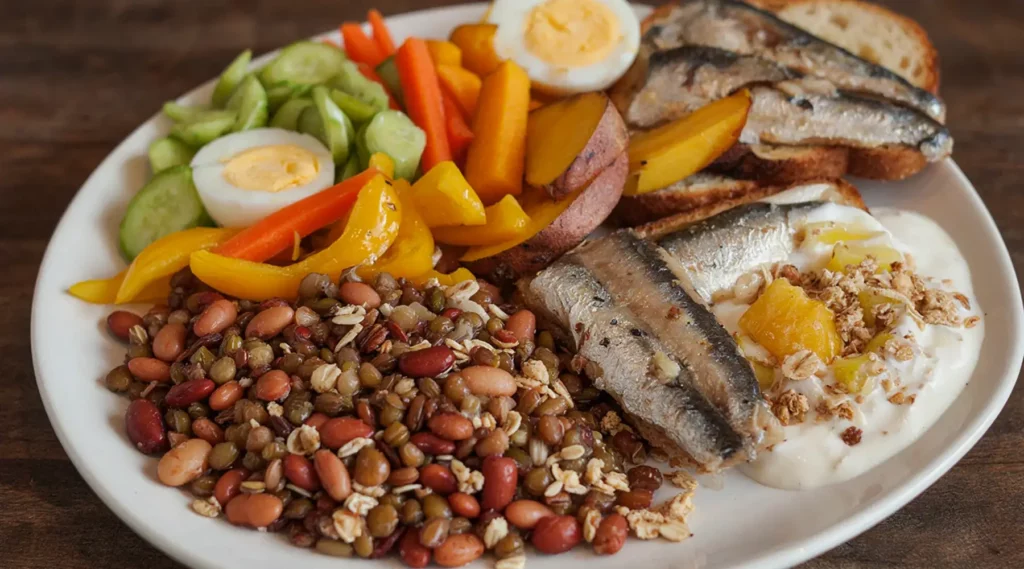
Children mostly don’t like bland foods. If they only eat sausages and fish fingers, introduce them to fruity Indian curries, Asian noodle dishes or Mexican quesadillas. Open their minds by eating out at ethnic restaurants.
involve them
Let the children make their own wraps, for instance. Have all the fresh ingredients ready. They’ll be more likely to eat something they’ve prepared themselves. After all, this is their ego at stake.
start a reward system
Put up a chart on the fridge and give your picky eater a sticker every time they try something new. When they’ve reached a certain amount, offer them a reward, something they really want. Cheap bribery? Maybe, but the point is you’re taking the focus off the food.
package it better
Children like to hold their food, so make finger foods: mini meatballs, fish goujons, cut-up raw vegetables and have dips for them as well.
The vegetable is often enemy number one, so disguise the undesirable and purée vegetables such as courgettes, mushrooms, peppers, carrots and celery into a tomato sauce. Instead of just potato mash, grate some carrot into the mash. If they don’t like fruit, purée it and pour it into ice lolly moulds and freeze.
Find some ideas for great finger snacks here.
make food attractive
Make individual fish pies in small ramekins; it’s likely to be more appealing for a picky eater than a lump of mash and sauce in the middle of their plate.
For stir-fry night, buy chopsticks joined at the top; this will add a little theatre to their eating – they’ll be too busy giggling and bobbing for their food with their chopsticks to notice they’re eating veggies.
time it right
Children are usually at their hungriest when they return from school. Try to have something healthy prepared for when they walk through the door, as they are more likely to eat it when they are ravenous.
Read more about feeding babies and small children.
children are great mimics
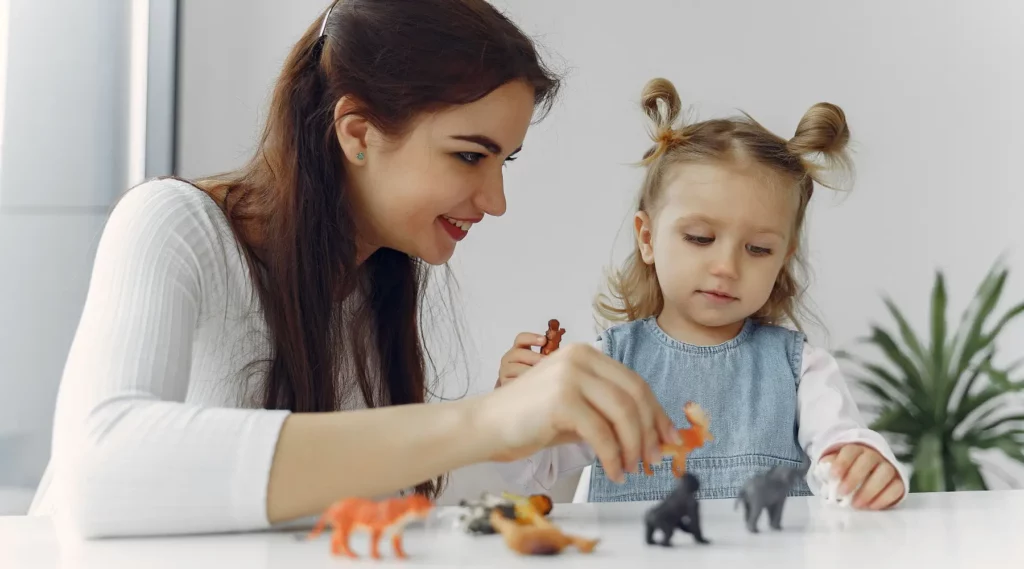
Children are copycats, so invite a less fussy friend over for a playdate and give them something exotic to eat at lunchtime. Your child is most likely to follow their friend’s lead and experiment with the new taste.
snacks should be nutrient-dense
Snacks for children are essential; they need a constant energy input. Have healthy foods in the fridge and around the house, such as mini cheeses, meatballs and a pasta salad.
Avoid giving them calorie-empty snacks, such as chocolate biscuits, crisps and even fruit juice, which can cause an energy spike and slump. This will cause them to lose any appetite for “real” food.
Read more about nutrition for healthy development.
enlist the help of your dentist
Ask your dentist to show your child photos of children with rotten teeth because they have eaten too many sweets. This scare tactic is likely to be more impactful than you telling them for the 100th time that they shouldn’t eat so many sweets.
break the pattern
Children have pretty much decided what they like and don’t like by the time they are five years old, but they still have a clean palate. Most have only decided what they like based on what you’ve given them, so keep introducing them to different foods. At first they’ll avoid the unusual taste of the chicken satay, so leave it on the table for them to consider later – when they’re hungry, they’ll come around.
breakfast is best
Children need complex carbohydrates for energy throughout the day so make carrot and apple muffins, give them a banana, wholegrain cereal or eggs, which are cheap and popular scrambled (and served with a dollop of your hidden veggie tomato sauce).
ensure they get enough iron
The greatest source of iron exists in animal protein, so a great way to get this into their system is by making the ever-popular spaghetti bolognaise.
For those children who don’t like meat, wholegrain breakfast cereals are packed with iron, but make sure they have a glass of orange juice with their breakfast as vitamin C helps their little systems absorb the iron.
start early
Your baby is less likely to be a picky eater later if you start using fresh foods now.
Make your own puréed veggie baby food, seasoning with herbs and garlic, but not salt. Don’t cook the veggies to death as all the nutrients will be lost – steam them for 6–7 minutes, then purée.
When making puréed foods, try to make them sweetish with apple, sweet potato and carrots, as the baby has been conditioned to the sweet taste of breast milk.
Once you’ve cooked and prepared the foods, freeze them. For a baby, you can freeze ice cube portions in an ice tray.