In early childhood, emotional intelligence is a predictor of success. In simple terms, happy children learn better.
Theresa Micheal, CEO Afrika Tikkun Bambanani, says that for decades, society has celebrated IQ as the gold standard of success. However, emerging evidence from classrooms, neuroscience and early childhood development research tells a very different story: emotional intelligence is the true standard.
“Children who are emotionally secure, socially connected and confident often outperform their peers cognitively over time,” she says.
why emotional intelligence matters
“Across South Africa, many young children arrive at school carrying burdens far heavier than their school bags. Poverty, violence, instability, neglect, hunger and emotional trauma affect not only a child’s wellbeing, but also their ability to learn,” Micheal says.
“When a child feels unsafe, unseen, or anxious, the brain shifts into survival mode. In this state, higher-order thinking, concentration, memory retention, language development and problem-solving become significantly more difficult.
“On the other hand, children who feel loved, confident, emotionally secure and connected are far more likely to engage, participate, explore and take risks in learning. They develop resilience. They communicate more effectively. They collaborate better with peers and teachers. Most importantly, they build the internal confidence required to tackle academic challenges.”
Find out about emotional intelligence and soft skills.
the emotional intelligence and academic relationship
At Afrika Tikkun Bambanani, this relationship between emotional wellbeing and academic success is no longer just theory; it is measurable reality, Micheal states.
“Over the past five years, the Bambanani Online Assessment Centre has tracked the development of more than 75 000 children across more than 800 early childhood development centres throughout South Africa. The assessments monitor eight key developmental and learning areas, including language, mathematics, cognitive development, motor skills, and social-emotional development.”
Findings
The findings have been both powerful and consistent.
Children who score highly in social and emotional development almost always perform better in literacy, comprehension, numeracy, classroom participation and school readiness.
These children transition more successfully into Grade 1 and adapt better to formal schooling environments. They are more confident to ask questions, better able to regulate their emotions, more willing to engage in learning tasks, and less likely to withdraw or display disruptive behaviour.
“In many cases, emotional intelligence has proven to be a stronger predictor of long-term success than early academic ability alone,” Micheal informs.
rethinking education
“This should fundamentally change how we think about education,” Micheal continues.
“A child who can memorise numbers, but can’t manage frustration may struggle to cope when learning becomes difficult. A child who can read fluently, but lacks empathy, resilience or confidence, may battle socially and emotionally in later years.
“Conversely, a child with strong emotional intelligence often develops the perseverance and adaptability needed to overcome academic gaps over time.”
The future workforce will not only require intelligence. It will require collaboration, emotional regulation, creativity, communication, empathy, leadership, and problem-solving, all skills deeply rooted in emotional development.
the disconnect
Yet many schools and early childhood programmes still prioritise worksheets over wellbeing.
“Children are pushed to perform academically before they have developed the emotional foundations necessary for healthy learning,” Micheal explains.
“We often ask young children to sit still, memorise and perform while neglecting the very skills that allow the brain to thrive: confidence, belonging, curiosity, connection and joy.
“Neuroscience confirms what many teachers have always known instinctively: relationships shape the brain.
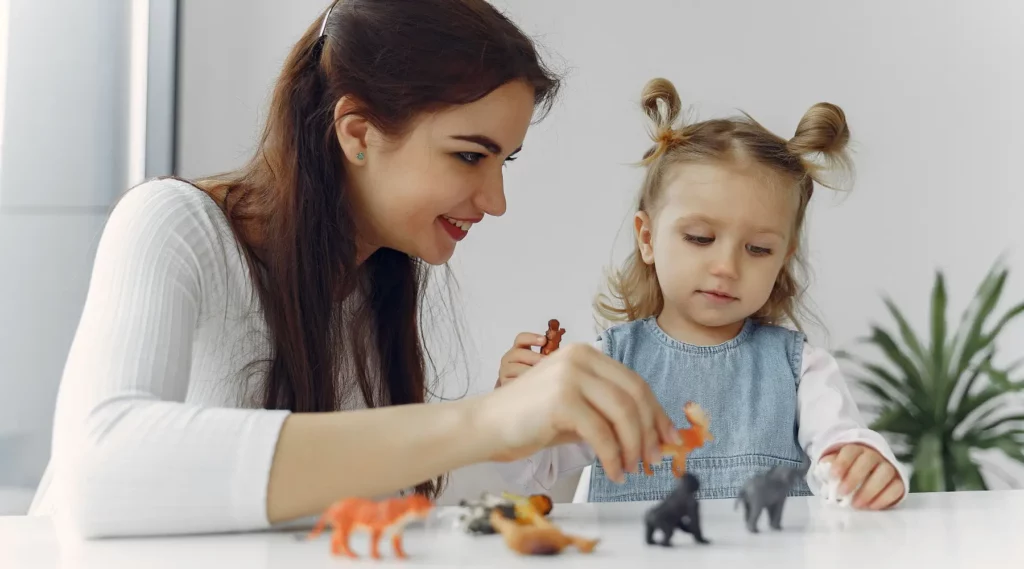
“When children feel emotionally safe, neural pathways linked to learning strengthen. Play-based learning, storytelling, music, movement, affection and positive interaction stimulate cognitive growth. Emotional wellbeing is not separate from academic learning; it is the foundation of it,” she says.
This is particularly important in South Africa, where many children face adversity from a very young age. Early childhood development cannot focus only on literacy and numeracy outcomes. It must intentionally nurture emotional resilience, self-worth, kindness, empathy, and confidence.
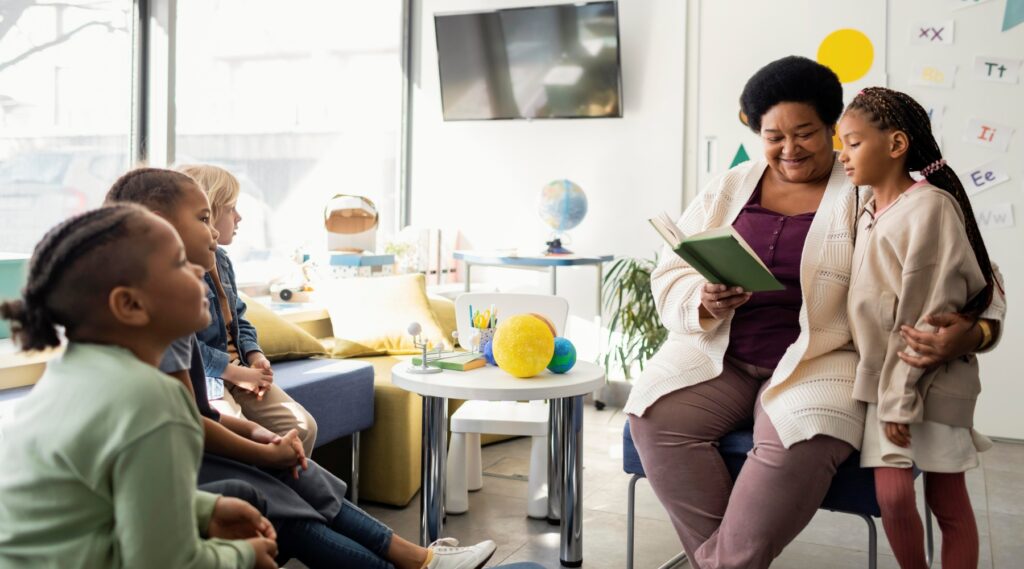
“The most successful classrooms are often not the quietest or the most rigid. They are the ones filled with warmth, encouragement, laughter, belonging and emotionally responsive adults,” explains Micheal.
“Teachers who build children emotionally are building brains. Parents who affirm their children are shaping future learning. Communities that invest in emotional wellbeing are investing in educational success.
Read more about developing emotional intelligence at home.
“Perhaps it is time we stop asking only, ‘How clever is this child?’ and ask a far more important question: ‘How does this child feel about themselves?’
“Children who believe they matter are far more likely to believe they can succeed. And when children feel safe, valued and emotionally strong, they do not only thrive socially; they thrive cognitively, academically and for life,” Micheal concludes.