By following the winter routines below, you can keep your little ones comfortable, hydrated and happy throughout the season.
As temperatures drop across South Africa, winter brings new challenges for parents of babies and toddlers. Dry air, indoor heating and seasonal illnesses can leave little ones feeling uncomfortable – making it even more important to follow winter routines to support hydration, nutrition, comfort and development during the colder months.
Independent midwife and trusted Vital Baby advisor, Sr Londe, says winter care for babies doesn’t need to be complicated; consistency and simple routines make all the difference.
“Babies can be more sensitive to seasonal changes than adults realise,” says Sr Londe. “The colder weather can affect everything from feeding patterns to skin hydration and sleep quality. The key is to focus on warmth, nourishment, hydration and stimulation in ways that feel gentle and manageable for families.”
don’t overlook hydration in winter
One of the biggest misconceptions during colder months is that babies need less hydration because they sweat less.
“In winter, we naturally think less about fluids because we don’t feel as thirsty ourselves, but babies still need consistent hydration,” explains Sr Londe. “Dry indoor air and heaters can contribute to dehydration and, if babies are unwell with colds or fevers, fluid intake becomes even more important.”
For breastfed babies, regular feeding on demand remains essential, while bottle-fed babies should continue their normal feeding routines unless advised otherwise by a healthcare professional. Mums can stay hydrated themselves with gentle warm drinks and nourishing soups, and having an ever-ready water bottle on standby throughout the day is also helpful.
For older babies eating solids, water offered regularly throughout the day can help support hydration.
Read more about hydration during winter.
feeding for comfort and immunity support
Winter often brings appetite fluctuations, especially if little ones are teething or feeling under the weather.
“Parents sometimes worry if their baby eats slightly less when they’re uncomfortable or congested,” says Sr Londe. “What matters most is offering regular opportunities to feed and focusing on nourishing, age-appropriate foods.”
For babies already on solids, warm foods, such as soft vegetables, porridge, soups and purees, can be soothing and support overall nutrition. Toddler-safe snacks that little ones can hold and feed themselves help with exploring textures and independent feeding.
Winter routines matter here, adds Sr Londe. “It is a great time to create predictable meal and feeding rhythms. Babies often feel more settled when their day follows familiar patterns.”
winter-proofing baby’s skin
During winter, you may notice changes in your baby’s skin. Dry patches, irritation, flakiness and increased sensitivity are common during winter, when cold outdoor air and indoor heating can strip the skin of its natural moisture.
Because a baby’s skin is thinner and more delicate than an adult’s, it loses moisture more quickly and requires extra care during the colder months. Fortunately, a few simple adjustments to a baby’s daily skincare routine can help keep their skin soft, comfortable and protected throughout winter.
How winter affects a baby’s skin
Winter conditions create the perfect environment for dry skin. Cold air holds less moisture, while indoor heaters further reduce humidity levels. Frequent bathing in hot water can also weaken the skin’s protective barrier, leading to dryness and irritation.
Babies prone to eczema or sensitive skin may experience flare-ups during winter, making consistent skincare even more important.
“Many parents are surprised by how quickly a baby’s skin can become dry during winter,” says Karen Van Rensburg, spokesperson for Sanosan South Africa. “The key is prevention. By focusing on gentle cleansing and regular moisturising, parents can help strengthen the skin barrier and keep little ones comfortable throughout the season.”
Top tips to prevent winter skin dryness
- Keep bath time short and warm, not hot: aim for short baths of around five to ten minutes using lukewarm water. Choose mild, soap-free cleansers specifically formulated for babies to avoid unnecessary irritation.
- Moisturise immediately after bathing: one of the most effective ways to lock in moisture is to apply a moisturiser within a few minutes of bath time, while the skin is still slightly damp.
- Avoid over-bathing: daily baths are not always necessary, especially for very young babies. Excessive bathing can contribute to dryness during winter. On non-bath days, a gentle wipe-down of hands, face and nappy area may be sufficient.
- Dress baby in breathable layers: while it is important to keep babies warm, overdressing can cause sweating, which may irritate sensitive skin. Soft, breathable cotton layers help regulate body temperature while reducing friction against the skin.
- Protect exposed skin: cold winds can leave cheeks and hands dry and chapped. Applying a gentle moisturising cream before heading outdoors can help create a protective barrier against the elements.
“Simple winter routines can make a remarkable difference,” adds Van Rensburg. “A gentle cleanse followed by moisturising helps protect the skin barrier and reduces the likelihood of irritation. Parents don’t need complicated routines; consistency is what matters most.”
By choosing gentle, nourishing skincare products and making a few seasonal adjustments, parents can help ensure that their baby’s skin stays healthy, hydrated and happy all winter long.
Find out more about protecting babies’ skin in winter.
keeping active indoors
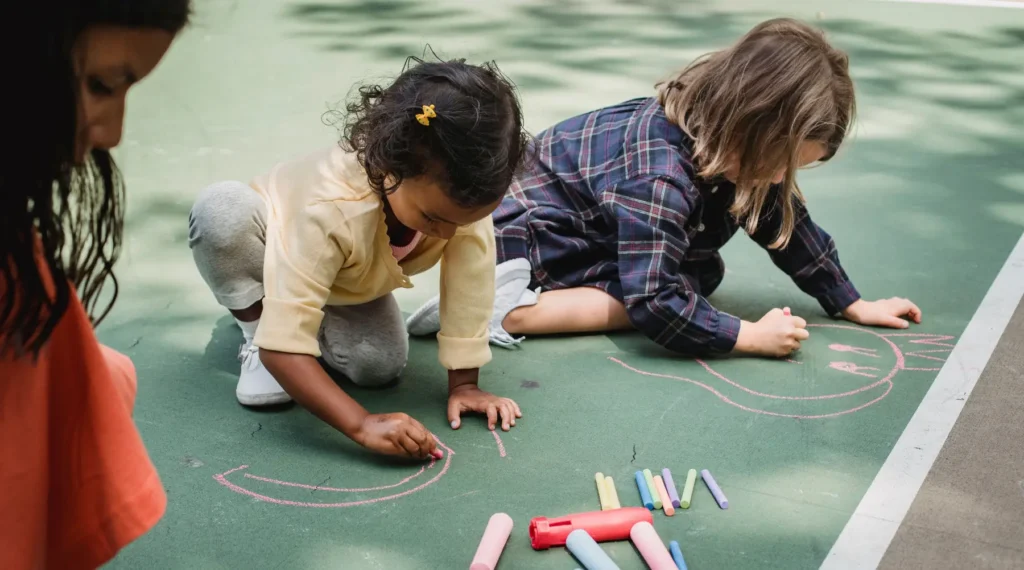
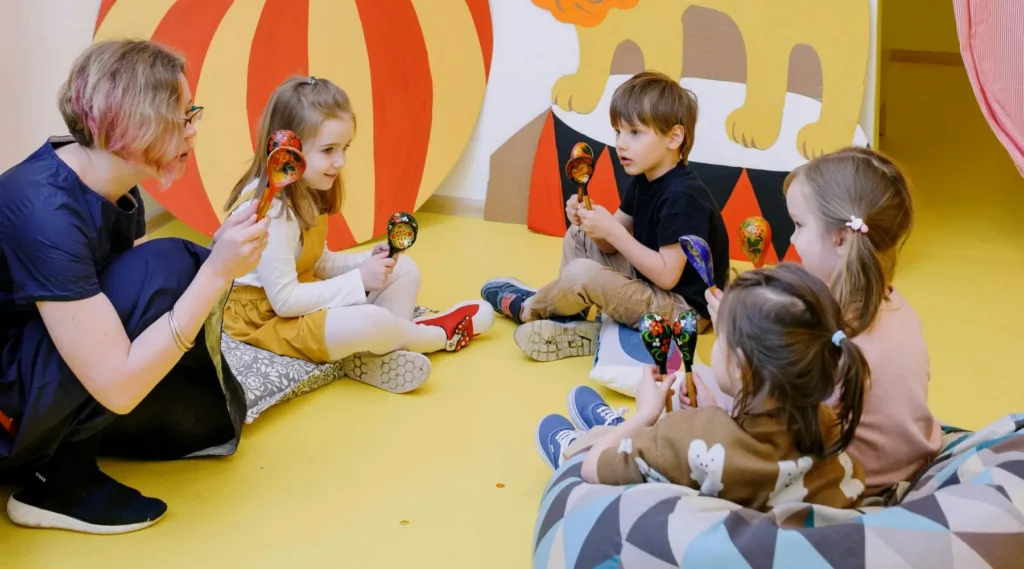
Shorter days and colder weather often mean less time outdoors, but babies still need opportunities to move, explore and engage their senses.
“Indoor play is incredibly important during winter,” says Sr Londe. “Play supports development, bonding, and movement. Even simple activities can stimulate learning and help babies release energy.”
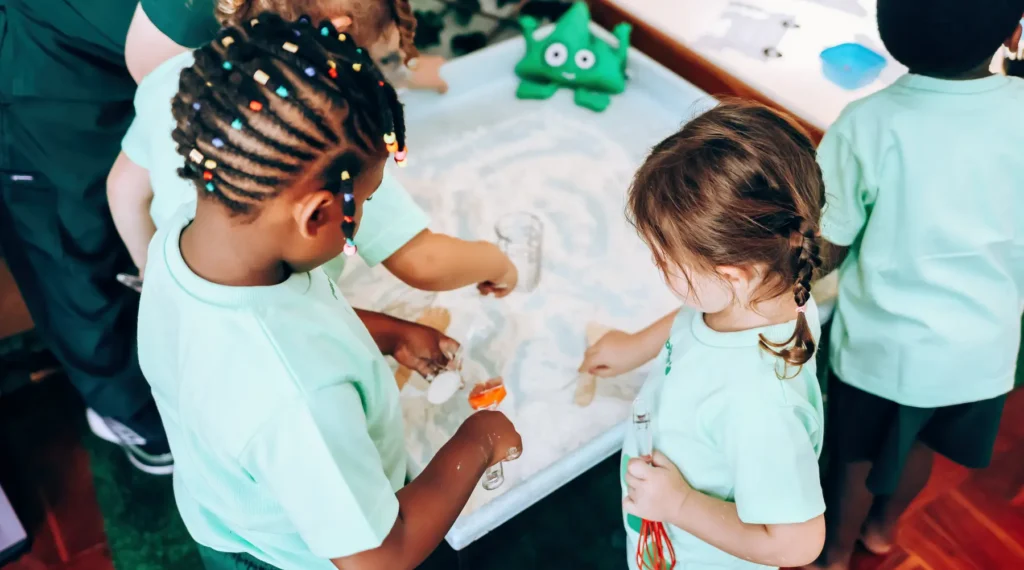
She recommends activities such as tummy time, sensory play using safe household textures, reading, music, dancing, stacking toys, and creating cosy floor spaces for exploration.
Parents shouldn’t feel pressure to overcomplicate things. Babies benefit most from responsive interaction. Singing songs, chatting, cuddling, and making eye contact all support emotional and developmental wellbeing.
comfort starts with good winter routines
Ultimately, winter wellness comes down to consistency – keeping babies warm without overheating, maintaining hydration, offering nourishing feeds, caring for their skin and prioritising connection and play.