Keeping children entertained during the school holidays can be challenging, but we’ve put together 14 ideas to ensure your child has the maximum fun.
School holidays are ideal for letting children renew their energy, but they also want to play, so here’s how to ensure their holidays are filled with maximum fun.
14 ways for children to have maximum fun
1. Plan a day trip once a week
For example, visit a petting farm or go for a picnic in the park. Your child’s mind will be abuzz with the stimuli that a new experience or environment offers.
2. Join a library
Once your children discover the magical worlds that reading opens, made accessible by the host of books a library offers, they’ll never be bored again.
Discover the joys and benefits of a library.
3. Cook and bake together
Give your children a say in what they would like to make. This will call for planning and prepping skills, measurement and accuracy, conceptual skills and seeing a task through.
4. Build a model together
Get the plans out and build a model aeroplane or car together. This is a great visual motor activity. For younger children, you can build LEGO or puzzles.
5. Garden together
Plan and plant a food garden together. Part of the process will involve deciding on which vegetables or herbs will thrive best in the allotted space and season. Then, it’s the fun part – prepping the soil, planting the seeds and watching for growth. This project will require a vested interest, research and application skills.
Read more about gardening with children.
6. Budget the pocket money
Get your children thinking about how much they have to spend, how to make it last and how they can make more. This helps children develop numeracy concepts.
7. Keep a holiday diary or start a blog
Encourage them to record what they’ve done each day and how much fun it was. This will develop recall and writing skills, exercise their ability to summarise and develop language and technical skills. Best of all, they can look back at it later in the year and remember all their activities.
8. Spend time in nature
Take a walk in a park or forest or visit the botanical gardens. Instruct your child to look closely at growing plants and trees and ask them to memorise the details. Then encourage them to draw it. This encourages visual motor integration and memory.
9. Sign up with a holiday club
Holiday clubs provide maximum fun and social opportunities, as many are built around special interests. They are almost always rigorously balanced to be fun and challenging. And, your child may make new friends.
10. Make a comic book
Let your children develop imaginary characters and construct a story. This employs many skills, including drawing, colouring, creative writing, developing a storyline and sticking to it through words and pictures.
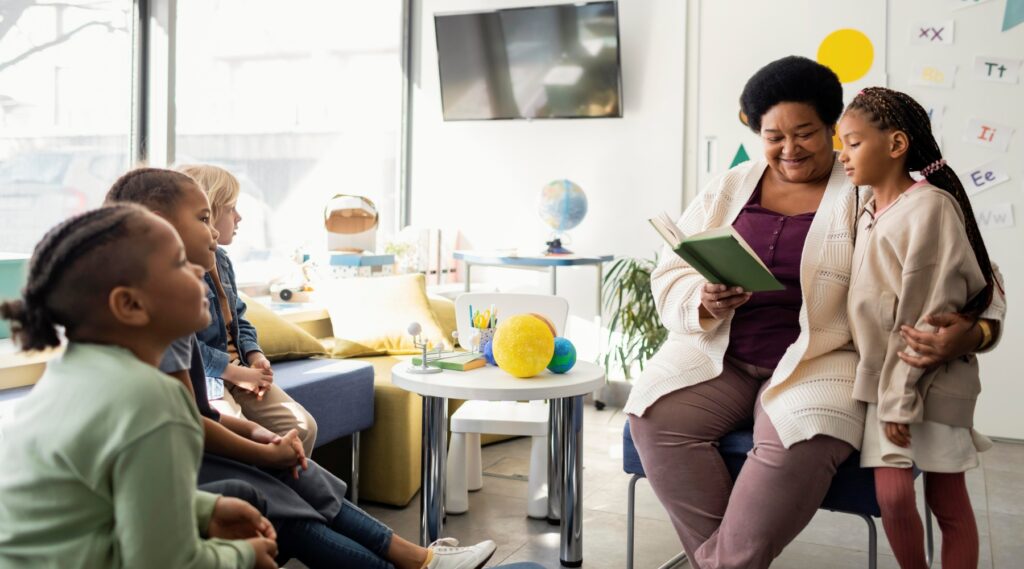
11. Read together
Every evening before bed, read to your child. Start with stories suited to their reading level, then slowly extend the material to something a little more challenging. Allow them to ask questions about the story. This will activate their imagination, get them enquiring and encourage them to start finding meaning in text. Reading is an integral part of development and boasts a host of benefits.
Find some recommended reads for children here.
12. Camp out
Make a tented camp in the garden from old sheets. This engages children in fantasy play and builds perceptual and planning skills.
13. Play board or card games
Board games are a wonderful way to ensure maximum fun and bonding time with your child. Monopoly and Cluedo are always winners. Other popular board games include Guess Who, Five Second Rule and Ticket to Ride. Teach them some card games – this will enhance their numeracy skills and encourage cognitive thinking. Some great ideas include Snap, Go Fish!, Old Maid and Uno.
Find ideas for other stimulating activities here.
14. Diarise special occasions
Ask them to note family trips, playdates, birthdays, the final countdown to Christmas (if you celebrate) and the first day of the new school on a large calendar. Colour-code it to make it bright and easily recognisable. This will become a conversation piece and encourage children to plan (“I only have 10 days to decide what to buy for Dad’s birthday”) and reflect (“What do I want for Christmas?”). You can also get them to cross off the days in a countdown to the big event.