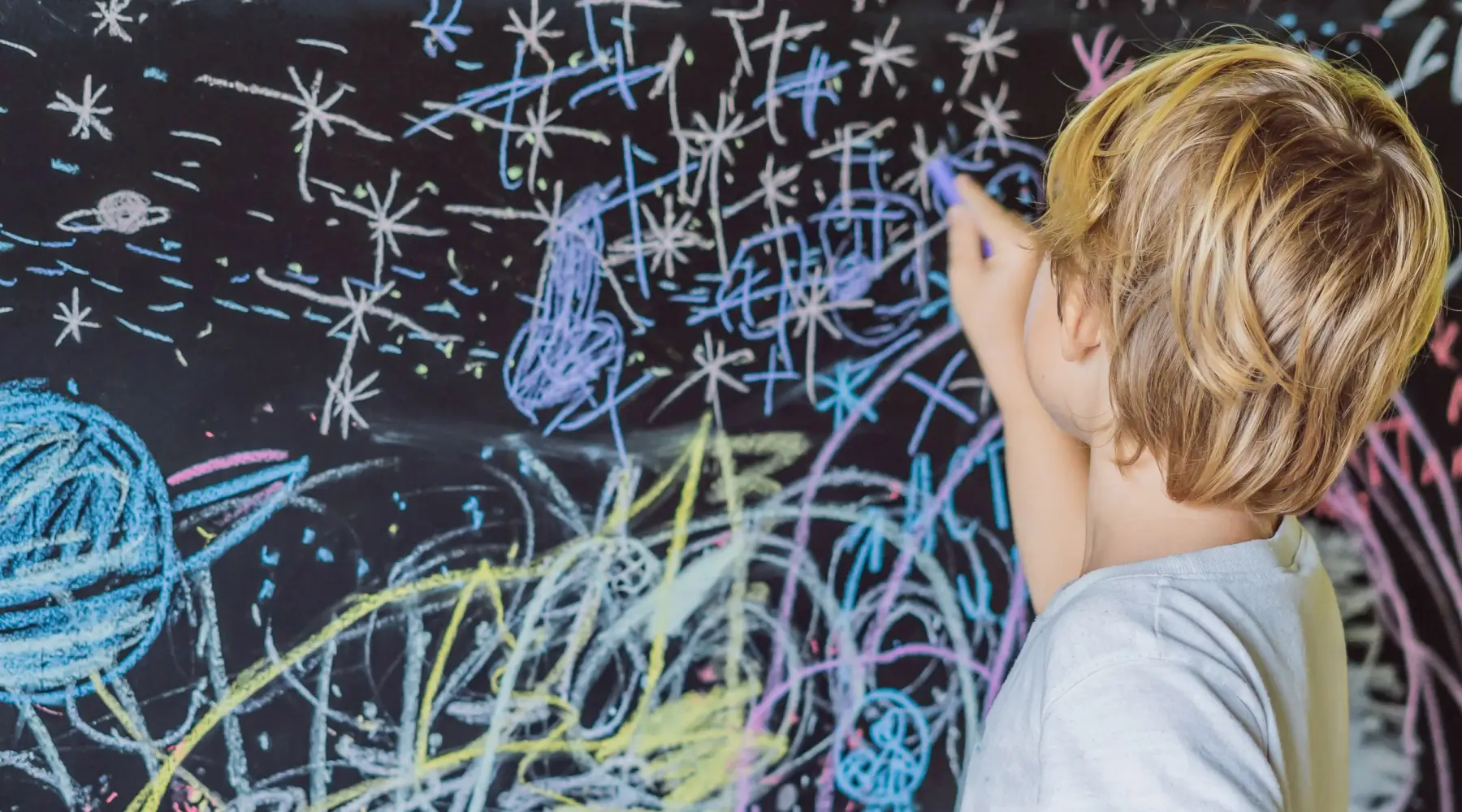
Outer space has a unique way of capturing a child’s imagination, from glittering stars and distant planets to powerful rockets exploring the unknown.
Dibber International Preschools encourage parents and caregivers to lean into that curiosity, using simple, hands-on activities that make space real and introduce early science concepts in ways young children can understand and enjoy.
making complex ideas simple to understand
“Children are naturally wired for wonder,” says Ursula Assis, country director of Dibber International Preschools South Africa. “When we follow their curiosity and turn big ideas into playful experiences, we’re not only teaching them about space; we’re also building confidence, problem-solving, language and a love of learning that lasts.”
At Dibber, we use play-based learning to make complex ideas approachable. Space-themed activities support key early learning areas, such as fine motor development, collaboration, early maths and sequencing, and cause-and-effect thinking, all while keeping learning joyful and pressure-free.
space-inspired activities
Here are seven easy, low-cost ideas to help teach outer space to children using everyday materials and a spirit of exploration:
-
Build a balloon-powered rocket
Using paper, tape, a straw and a balloon, children create a rocket that shoots forward when released. It’s a simple, exciting way to introduce early physics.
This activity can elicit cause-and-effect, motion, curiosity and experimentation. -
Make planet masks
Children choose a planet, decorate it using colours and textures, then become the planet through role-play. This blends creativity with early astronomy knowledge.
This can build imagination, confidence, storytelling and most importantly, planet recognition. -
Explore gravity with a rocket launch activity
Explore through safe, simple demonstrations, such as launching lightweight objects or testing different launch methods. Children begin to grasp that rockets need energy to lift off.
This creates observation, early science language and problem-solving in young children. -
Play a solar system matching game
Match planets to pictures, colours, rings or simple clues. Turn it into a co-operative game with turn-taking and shared discovery.
Activities like this will help the little ones strengthen their memory, sequencing and cognitive development. -
Go on a space-themed scavenger hunt
Hide stars, planets, astronaut symbols or space words around the home. Children hunt for clues while learning new vocabulary in motion, slowly building language, teamwork and active learning.
-
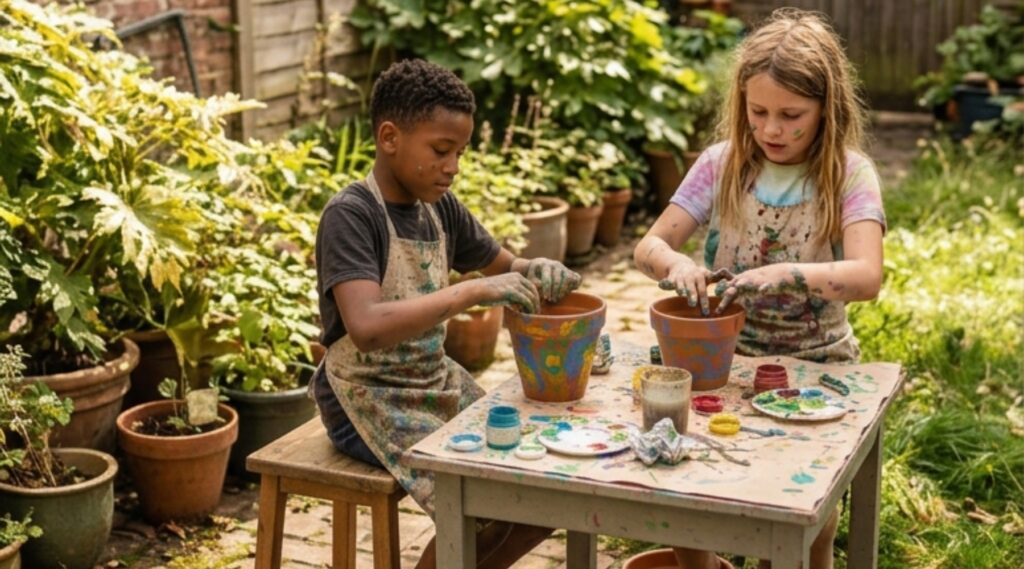
Express space through art
Invite children to draw galaxies, rockets, moons or imaginary planets. Ask questions about their artwork to deepen understanding and encourage communication.
This will enhance their visual thinking, self-expression, creativity and imagination. -
Learn with interactive space games
Puzzles, mazes and simple mission games help children practice logical thinking and focus while reinforcing spatial concepts and increasing concentration, reasoning and persistence.
loads of fun while learning
Dibber’s approach to early education encourages children to explore big ideas through play, creativity and gentle guidance. Space-themed learning becomes an opportunity to nurture curiosity, independence and joy while supporting key foundational skills that help children thrive in later learning. All efforts parents make, no matter how small, contribute to this journey and make a meaningful difference in their child’s educational experience.
Discover why play-based learning is essential.
“Space is a wonderful theme because it invites children to ask questions and imagine possibilities,” adds Assis. “And, when children learn that their questions matter, they develop the confidence to keep exploring – not only the universe, but also the world around them.”