The start of the new school year is exciting. However, it can be daunting for parents who need to navigate timetables and extramural schedules, keep up with stationery requirements, and organise transport. Don’t despair, our guide to surviving the new school year has you covered.
Use these tips and tricks to make the start of a new school year less stressful.
playdate society
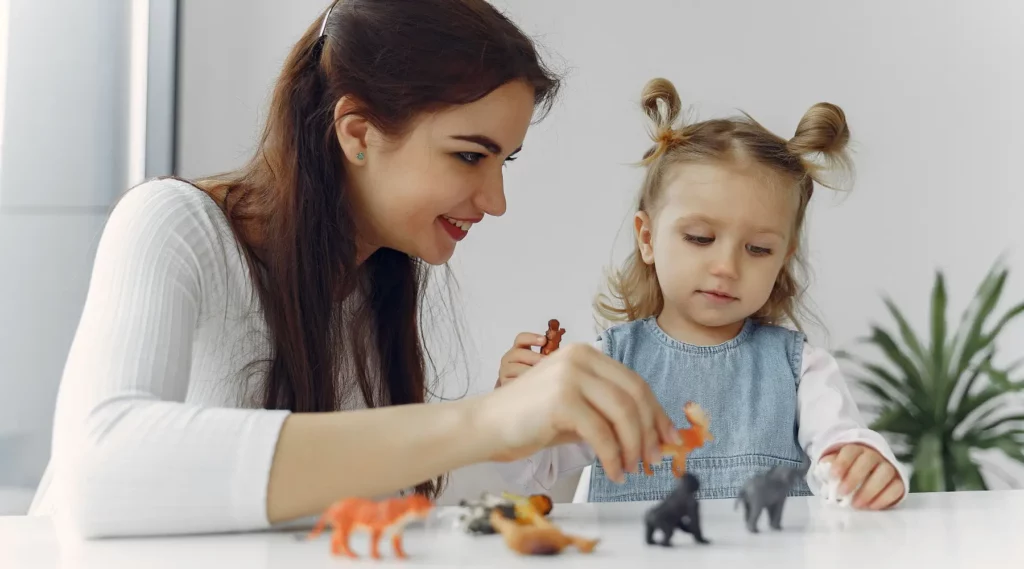
When planning for the new school year, remember that children will start arranging play dates from day one.
Up to the age of three, children will play next to others, not with them, so it’s more of a playdate for mom.
From three years, one-on-one playdates are better. Once children are older, you can try having more friends over.
Toddlers can probably get along for an hour, pre-schoolers for around three hours and older children for a longer time.
Deciding when it’s acceptable to leave your child at a playdate will be based on how well you know the other family, your child’s age and how sociable they are.
Basic etiquette for playdates
- be on time
- get contact numbers
- check for food allergies
- have several planned activities as back-up
- ensure children tidy up
- take turns hosting.
deciding on extramurals
Extramural activities can develop children, build on areas where they’re skilled, teach new skills or improve on others. They also teach children about teamwork, friendly competition and sportsmanship.
Extramurals should appeal to a child’s interests and capabilities, but speak to children first to ensure they’ll be committed for the whole term.
Also consider the costs of equipment, uniforms and other expenses before signing up.
The number of extramurals children participate in depends on them. Encourage fewer, shorter activities for younger children. They are often keen to take part in all the activities on offer, so be wary of them doing too much. Older children can join up for more, but still need time for homework and free play.
Read more about choosing extramurals and getting the balance right.
planning for a little extra help
Consider getting extra help to cope with the demands of a new school year.
Au pairs
Au pairs can help with school or extramural transport and keep children busy after school and during school holidays. Ask au pairs how they intend to stimulate, engage and discipline, and discuss issues such as holidays or sick leave.
Tutors
A tutor can help with homework or a particular subject. Check their qualifications and experience in their subject and establish whether they’ll be tutoring at your home or a centre.
Before hiring, check their references or use a reputable agency. Figure out your own requirements, such as transport or basic first aid training. An agency may have a set payment rate. Alternatively, the amount you pay will depend on factors such as the number of hours worked, transport costs, experience or how much work is required.
transportation planning for the school year
Carpooling is a solution to stressful morning madness and traffic challenges. However, it must be structured correctly. The best carpools have families that live in your area, parents with mutual needs, similar schedules and the same basic set of core values.
Here are some basic rules and etiquette for carpooling:
- Don’t miss pick-up times.
- Age-appropriate seatbelts or restraints must be worn at all times. Don’t transport more children than you have safety belts available.
- Adhere to the rules of the road and the school’s drop-off policy.
- Have a backup plan when the designated driver becomes unavailable.
- Keep the lines of communication open, such as a WhatsApp group, and share information with everyone.
- Ensure children and parents have a list of contact numbers of all drivers and fellow passengers.
- Children must be polite, well-behaved and know the car rules (for example, no eating).
- Parents must not use the carpool trip as a means to pry information from children.
- If a carpool child’s behaviour is a concern, discuss it with the parent.
- Ensure your insurance is adequate in case of a big accident. Carpooling is not a means of income, so your insurance should cover the basics, but it’s best to make sure.
Safety first
Ensure your child understands that they must NEVER get into a car with a stranger. They must only go with the adults who are part of the carpool. Remind them that if there is any change to the carpool protocol, you will only send someone close to the family to collect them. Set up a password for that person to use so they know it’s someone who can be trusted.
Children must wait inside the school grounds till their lift/carpool driver arrives.
be organised
Starting a new school year requires planning and organisation. Follow these guidelines to help you stay on top of things.
Make a mobile homework station
Set up a handy caddy to hold all your children’s supplies. This way, they can move around to do their homework at the kitchen table or in their bedrooms. It is also a great way of keeping their school supplies tidy and organised.
Neon study strategy
Encourage older children to use highlighters to transform their note-taking and learning process. Label the highlighters so there is a colour for each subject or theme. Start this colour-coding strategy from the beginning of the new school year. By exam time, this nifty study practice has been perfected.
Save the lids
There’s nothing worse than ending up with dried-out markers because you mistakenly misplaced their lids. A simple solution is to duct tape them together. Line up the set of felt-tip pens and wrap the lids in duct tape to create a felt-tip pen mass that makes it impossible for a lid to get lost.
Daily reminders
Use a whiteboard marker pen to write reminders on your mirrors. Different coloured dry-erase pens can be divided among family members so that each person has their own message colour.
budget carefully
1Life Insurance’s annual Back-to-School Survey reveals that financial pressures remain a major concern for parents. School uniforms and school fees continue to emerge as the most expensive items for 62% of respondents. Other costs include transportation and stationery. To reduce financial pressure, parents should prepare a detailed budget, including all anticipated school-related costs, such as fees, uniforms and stationery, to avoid surprises.
Tips to help reduce costs:
- compare prices when shopping for stationery and other school essentials
- reuse supplies from the previous year
- stock up on school supplies gradually throughout the year
- explore options to purchase second-hand uniforms.