Starting school is a big step. If you’re niggled by “Is my child prepared for the demands of formal education?”, you’re wondering about school readiness.
School readiness is not about academic competence, but developing the foundational skills needed for learning. These skills, including physical, social-emotional, cognitive, communication and independence, enable children to develop the confidence, co-operation and curiosity needed to transition smoothly.
prepare ahead
School readiness is a different journey for every family. Some children prefer not to think about school while on holiday, while others experience increasing stress.
Addressing these worries and preparing for school can be done gently through fun, holiday-themed activities that introduce skills without pressure.
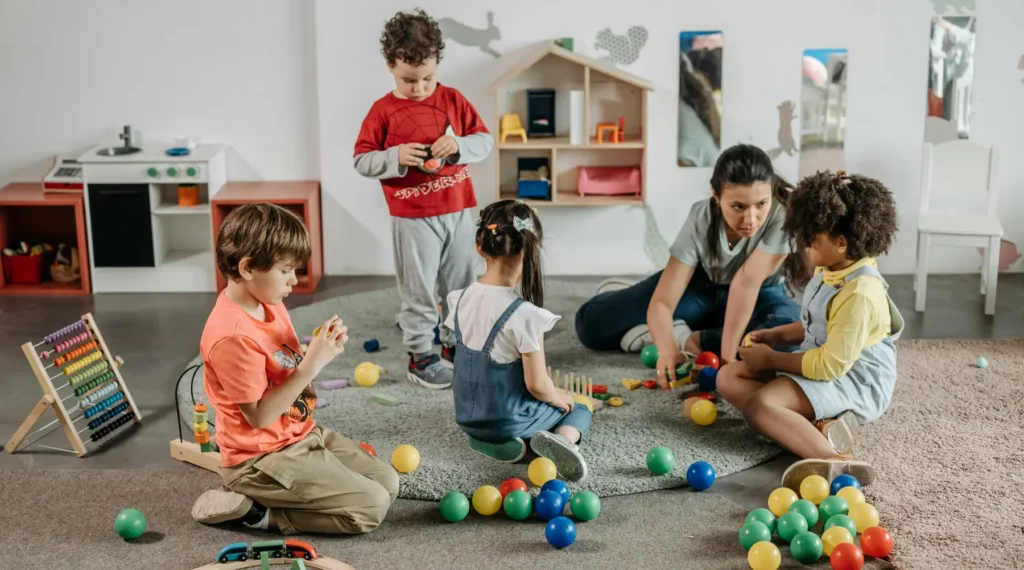
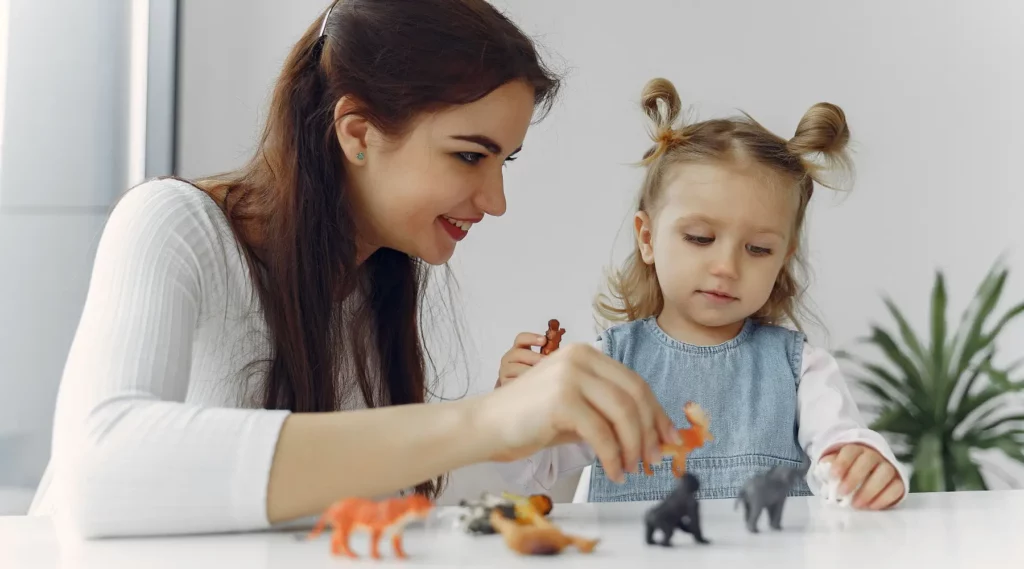
Children learn best through play, sensory activities and opportunities for repetition and practice, incorporated into everyday life using these simple, fun resources at home:
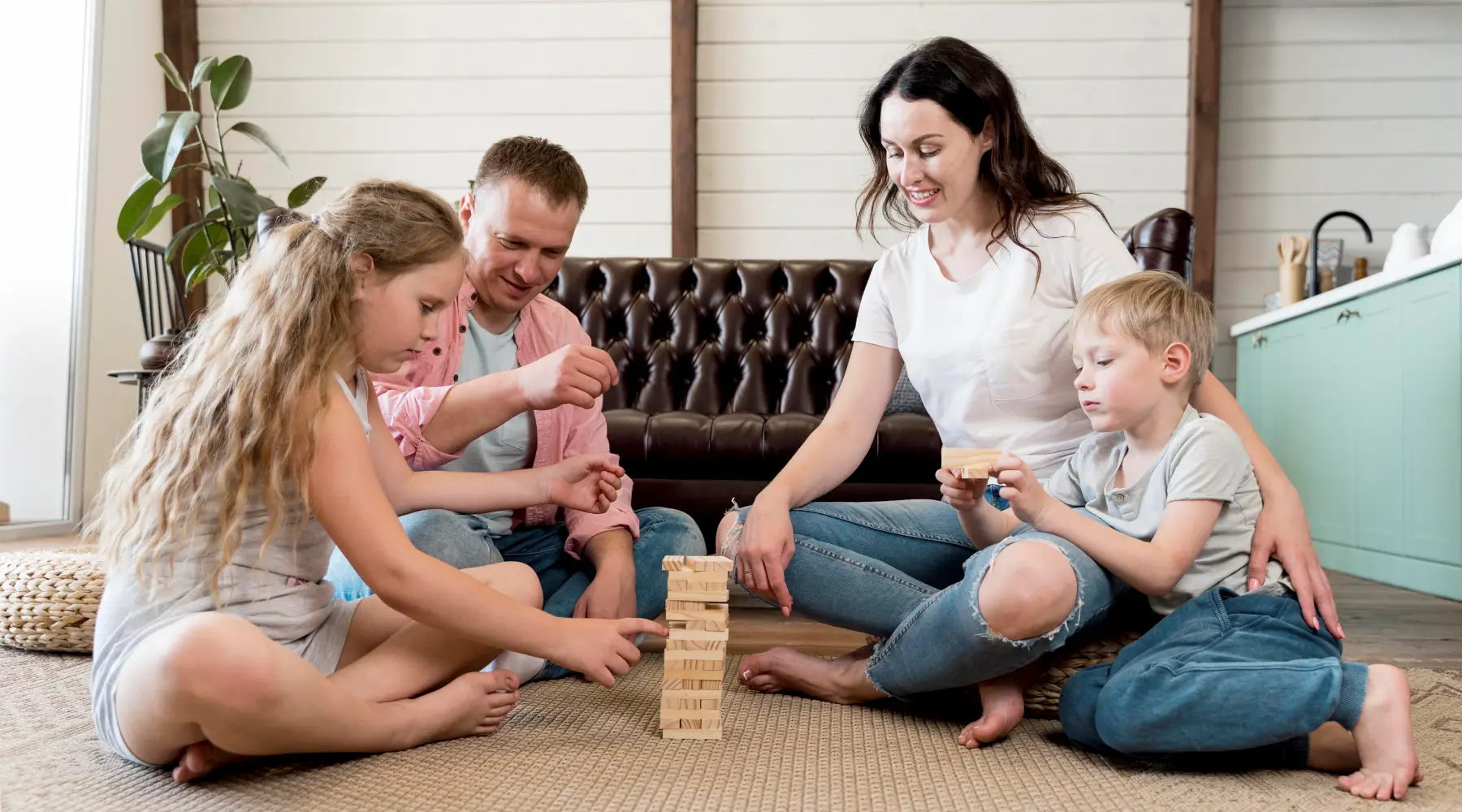
- Playing games like Duck Duck Goose, Hide and Seek, and board games, such as Snakes and Ladders, Ludo and Jenga, encourage turn-taking, tolerance and following instructions.
- Outdoor activities like hopscotch, scavenger hunts and obstacle courses provide multisensory input to develop physical skills, co-ordination and confidence.
- Messy play, such as, constructing gingerbread houses and decorating cards, allows fun fine motor skill practice.
- Language development opportunities include singing holiday songs, playing “I-Spy”, listening to audiobooks, talking while cooking together, or role-play such as “family restaurant”. Regular reading together with your child, for example, a daily holiday story or favourite book, is an impactful activity for building language.
- Introduce early numeracy and literacy through experiences like measuring ingredients, sequencing recipe steps, sorting objects, recognising labels or noticing letters and numbers in the environment. Cultivate curiosity and awareness, not formal teaching.
- Encourage confidence and gradual independence through daily activities, such as choosing holiday outfits, playing dress-up, ticking off picture checklists for packing suitcases, and assisting with age-appropriate chores like sweeping or carrying groceries.
Find other articles about school readiness here.
decide on suitable screen time
It’s alright for screens to be part of the holidays, especially when used in a fun and purposeful way. However, excessive screen time can make the transition to school more difficult.
Choose educational, low-stimulation content like Reading Eggs, and engage with it together.
Movement or outdoor play afterwards can help your child reset – and remember, device-free moments of boredom can encourage creativity and exploration.
get back to a routine
During “holiday mode”, household routines are often relaxed. As school approaches, it can help to reintroduce some structure.
Start setting the pattern with regular bedtimes, predictable routines and performing simple daily tasks like packing lunchboxes. These can begin as playful activities, for example, a scavenger hunt for lunch items, before becoming integrated habits.
support the transition
Help them understand timeframes and settings
Visual schedules and countdown calendars can support transition by helping children grasp expectations, sequencing and timeframes.
A drive-by past the school might help to visualise and understand the setting, which can make the experience more familiar and less overwhelming.
Provide emotional security
Most importantly, your child needs reassurance. Emotional security helps build self-belief and trust that support is available when needed so they can focus on learning.
You can help by noticing, naming and validating their feelings, and by building their awareness of how emotions feel in their bodies.
Talking about worries and expectations through conversation, role-play or toys can ease uncertainty; practising simple scripts, such as asking for help or joining in play, can also build confidence.
Keep conversations age-appropriate and realistic, helping your child to plan for challenges rather than expecting everything to go perfectly.
Managing your own emotions during this time is important, too. Try to find time (in between festivities) for your own regulation. This is a powerful opportunity to model for your child how to express and manage feelings, while remaining present and supportive.
baby steps
Parents, you might do all these things, and yet your child may find the transition tricky. Focus on small, meaningful steps over time, rather than trying to do everything at once or tick off a “school readiness checklist”.
Play, connection and co-regulation are your greatest tools in preparing your child for school readiness, and it is important to allow yourself to enjoy the holiday too!
With thanks to contributor Kelly Eyre from The Curriculum Collective, an organisation focused on inclusive education and training educational stakeholders.