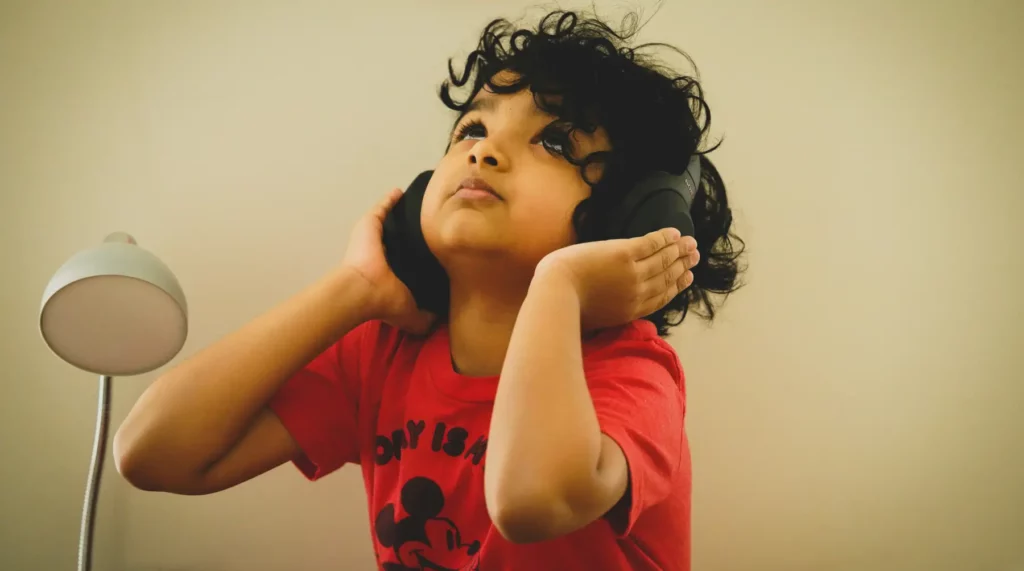
Children are especially prone to ear infections, but the source of their discomfort can be difficult for parents to pinpoint in babies and pre-verbal toddlers.
“Understanding ear infections comes down to anatomy. The small passages that connect our middle ear to our nasopharynx, or upper throat, called the eustachian tubes, regulate pressure in the middle ear and facilitate fluid drainage,” explains Dr Muhammed Ra’ees Vally, a general practitioner practising at Netcare Medicross Roodepoort.
“In children, this tube is shorter, narrower and more horizontal, which increases the risk of blockage due to impaired drainage and allows for nasal secretions to flow more readily back up the eustachian tubes. As a result, infections affecting the nose and throat of children can easily reach the middle ear.”
He points out that when the eustachian tubes become blocked due to inflammation or mucus, fluid can build up, creating an environment that allows bacteria and viruses to thrive, causing pain, discomfort and, in severe cases, potentially leading to complications.
causes and protective measures
“Ear infections are often caused by viral infections, which typically require only symptomatic treatment such as pain relief, hydration, and over-the-counter medications for flu and allergies. However, a doctor can identify early signs of more serious illnesses and provide a targeted treatment plan, including appropriate antibiotics when needed,” Dr Vally says.
Good hygiene practices, such as washing hands, covering the mouth and nose when coughing or sneezing, sanitising surfaces and ensuring good ventilation, can significantly reduce the spread of colds and flu, which are the underlying cause of many ear infections.
“Other protective measures include keeping your child’s immunisations up to date and supporting a strong immune system with a healthy, balanced diet,” advises Dr Vally.
“Parents should ensure their children stop using pacifiers by the age of six months, because as the child grows, this can increase the risk for infections reaching the ear via the eustachian tubes.
“It is also important to keep children away from smoky environments and second-hand smoke. Additionally, using humidifiers and controlling allergies are beneficial. Make sure to keep children’s ears clean and dry, and avoid using cotton buds or fingers in their ears,” he says.
Find other health-related articles here.
preventing complications with early diagnosis
“We need to be able to recognise signs of ear infections in our little ones because small children, especially those who have not yet learnt to walk or talk or have a limited vocabulary, cannot articulate the problem. A simple phrase like “My ear is sore” could be well beyond them.
“If we’re lucky, we parents might see the child gesture to their ear, but we need to be alert to other subtle clues that a child could be experiencing the discomfort of an ear infection,” he says.
Often, ear infections are preceded by cold and flu symptoms, such as a poor appetite, nasal congestion, nausea, vomiting and diarrhoea.
“When the infection spreads to the ear, look for additional symptoms of tugging or pulling on the ear, irritability, crying, difficulty feeding, restlessness at night, fever, loss of balance, and reduced hearing or response to sound,” Dr Vally advises.
“The most straightforward sign may be fluid draining from the ear – a symptom that typically appears only at the end of the illness,” he says.
seek medical help
If you notice any of these signs, seeking medical help early allows you to receive appropriate advice quickly. A doctor can guide you on the need for treatment and the signs to watch for to help prevent complications from developing.
“By recognising the signs of ear infections, taking simple preventive measures and educating ourselves as parents on these common childhood ailments, we can reduce the risk of infections and avoid more serious complications,” Dr Vally concludes.