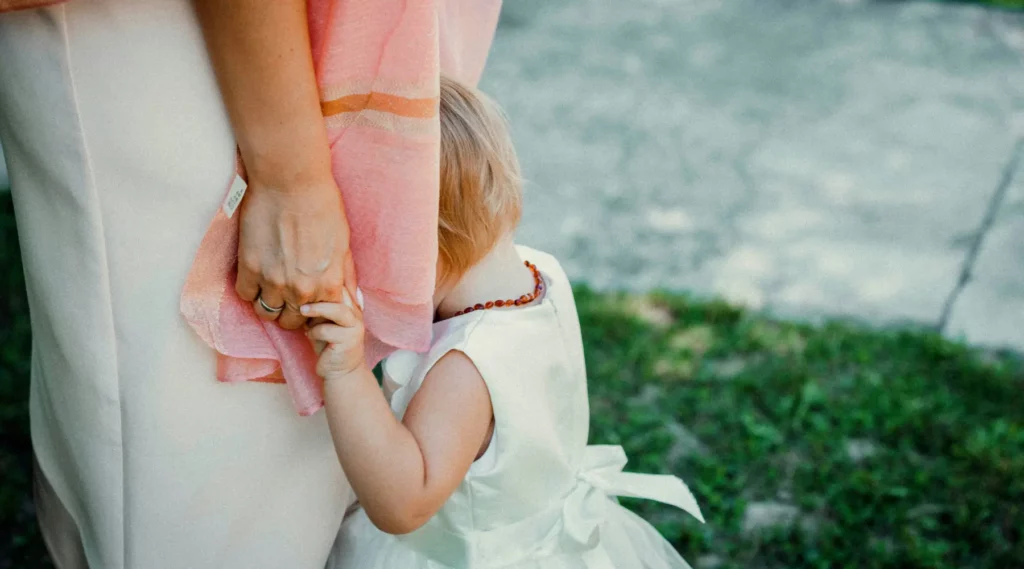
Children are only children for a short time, so they must make the most of it while it lasts. A good childhood isn’t something to rush through. It’s something to protect.
To fully realise their potential, children need to play, explore, develop skills, grow and make memories, while feeling safe and valued.
A three-year-old pauses at the edge of a garden bed, watching a beetle make its careful way across a leaf. An adult hasn’t asked her to look. No one has handed her a worksheet. She crouches, absorbed. Then she looks up and says: “It has six legs. Why does it have six legs?”
That moment is not a distraction from learning; it’s learning and it happens when children are given the freedom and time to explore the world. In their own way and at their own pace.
And, it’s a reminder of what many adults forget when life becomes busy and achievement-focused: a good childhood isn’t something to rush through. It’s something to protect.
the early years matter
At Dibber International Preschools, a global leader in early childhood education, the early years are treated as a unique and valuable life stage, not merely preparation for ‘what comes next’.
Childhood is not a waiting room for Grade R or formal schooling. It is where children build the foundations of who they will become: how they relate, cope, communicate and learn.
Before focusing on what children need to learn, it helps to begin with who they already are.
Children arrive in the world with personality, preferences, curiosity and a need to feel safe and valued. They do not need to earn care through good behaviour or impressive performance. They deserve warmth, attention, and respect simply because they are human.
Recognising the child’s intrinsic value is at the core of Dibber’s approach. This idea is not a slogan; it shapes how educators speak to children, how learning environments are designed, and how the daily rhythm is structured.
When a child is consistently met with patience, predictability and genuine connection, something changes. They become more willing to try, ask and engage with the world.
Read more about holistic childhood development.
The first years of life are marked by rapid brain development that will never be matched again. Skills and habits formed during this period become the building blocks of future learning and wellbeing:
- attention
- language
- self-regulation
- confidence
- resilience
- social understanding.
These do not develop best through pressure or early academic pushing. They develop best through safe relationships, rich experiences and the freedom to explore.
the power of play
This is where the power of play becomes impossible to ignore.
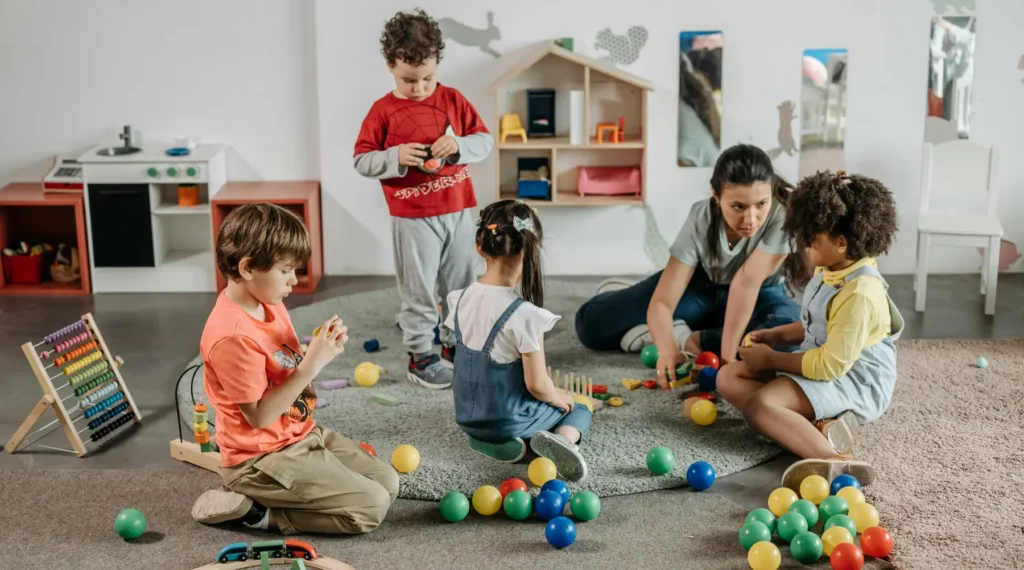
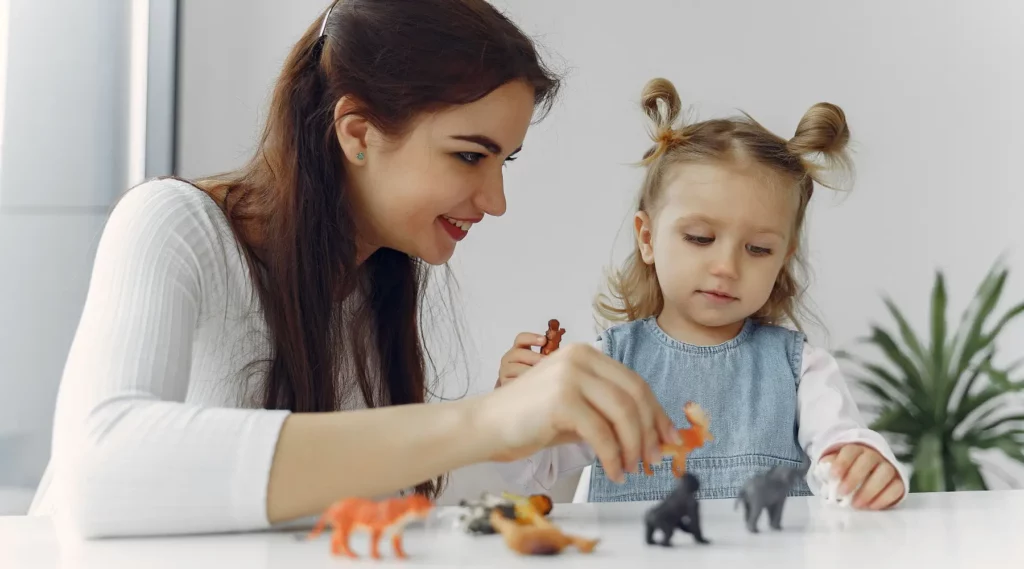
Play is the natural language of childhood. It is how children practise problem-solving without fear of failure. Through play, they learn to negotiate roles, take turns and build friendships. It is how they test ideas, copy what they observe and make sense of emotions. During play, they develop the muscles in their hands through cutting, moulding and building. They build strength in their bodies through climbing, balancing, and movement. And, it is how they learn the quiet confidence of “I can do it.”
Play does not mean there is no structure. It means the structure supports children rather than rushing them.
What a curious, play-filled childhood looks like every day
Ordinary moments done with intention make for a good childhood.
- Being greeted by name each morning by an educator who truly notices.
- Having the freedom to get muddy in the garden and to ask questions without being shut down.
- The comfort of predictable routines and the joy of spontaneous discovery.
- Lunchtime as a moment of connection, conversation and belonging – not just a refuelling stop.
- The chance to try something difficult, feel frustrated and keep going – with a calm adult nearby who believes in the child’s ability to work it out.
It is also the understanding that children need childhood itself – not a childhood squeezed between activities and screens, or one measured only by achievement. Sometimes, children need time to be bored. They need time to invent games. They need time to practise being themselves.
When children are allowed to be children, they develop something far more important than early achievement; they develop a strong sense of self.
Read more about learning through play.
growing something wonderful together
The name Dibber comes from a simple planting tool used to make a small hole in the soil so a seed has the right conditions to take root. It’s a fitting symbol for the early years. Adults cannot force growth, but they can create conditions that make growth possible: warmth, safety, stimulation, relationship and trust.
Letting children be children is not stepping back from learning. It is choosing the kind of learning that lasts — the kind that builds curiosity, confidence, compassion, and resilience.
Dibber International Preschools is committed to providing high-quality preschool experiences that foster children’s holistic development. With a focus on the Dibber Heart Culture and customised learning approaches, Dibber aims to nurture the potential of every child, ensuring they receive the best start in their educational journey.