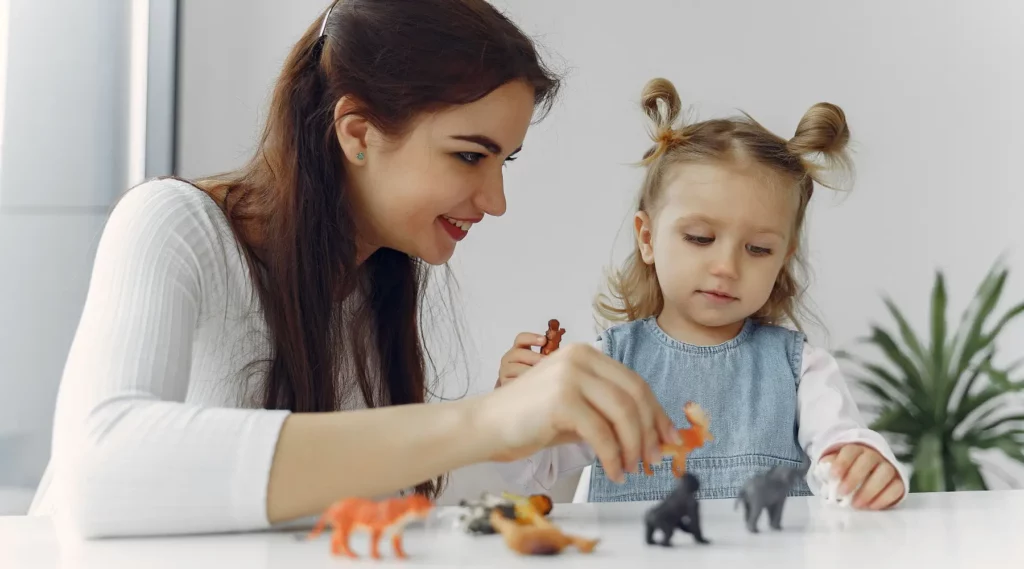
Hovering, often linked to ‘helicopter parenting,’ happens when we become so deeply involved in every detail of a child’s education that it can limit their independence, problem-solving ability and self-confidence.
Read more about helicopter parenting.
While the intention is always love, the effect of hovering too closely can sometimes be the opposite of what we hope for. Sometimes, in our eagerness to help, we might end up hovering too closely over their learning.
“We see it all the time,” says Clive Robinson, managing director of Tutor Doctor SA. “Parents care deeply and want to give their children the best start in life. But the trick is knowing when to guide, and when to step back so a child can take ownership of their own learning.”
the risks of hovering too closely
-
Reduced confidence and independence
Children build self-esteem when they try new things on their own and succeed or when they learn to bounce back from setbacks. If we constantly step in, we send the unspoken message: “I don’t think you can handle this yourself.” Over time, this can erode confidence and make children hesitant to attempt challenges without help.
-
Weakened problem-solving skills
When a parent always fixes mistakes, a child misses the opportunity to think creatively, weigh options and try different solutions. This can leave them feeling lost when faced with a problem they must handle independently, whether that’s in the classroom, on the playground or later in life.
-
Increased anxiety and fear of failure
Shielding children from every difficulty can make them believe they must always succeed to be ‘good enough.’ This pressure can lead to avoidance, choosing only tasks they’re certain they can do, rather than developing resilience through trial and error.
This is where cultivating a growth mindset becomes essential. A growth mindset helps children see mistakes not as signs of failure, but as stepping stones to learning. By encouraging children to reframe “I can’t do this” into “I can’t do this yet,” parents nurture resilience, confidence and curiosity.
why stepping back matters
South African child development experts agree that failure, frustration and even the occasional wrong answer are important learning experiences. It’s through these moments that children learn perseverance, self-reliance and critical thinking.
“One of the greatest gifts a parent can give is the confidence to try,” says Robinson. “That’s the foundation of a growth mindset – the belief that effort and persistence matter more than immediate perfection.”
finding the balance: tips for parents
- Encourage effort, not just results.
- Praise your child’s persistence, problem-solving and creativity regardless of whether they get it ‘right’ the first time.
- Let them try before you assist.
- If your child is struggling with a task, give them space to work through it. Offer gentle guidance only when they’ve truly reached an impasse.
- Give age-appropriate responsibilities.
- Simple daily tasks, such as packing their own schoolbag or helping to measure ingredients for dinner, foster independence and capability.
- Model how to handle mistakes.
- Share your experiences of getting things wrong and how you fixed them. This helps children see that setbacks are a natural part of learning.
- Stay connected without controlling.
- Ask open-ended questions about their school day (“What was the most interesting thing you learned today?”) instead of focusing solely on marks or completed tasks.
- Encourage a growth mindset. Help your child replace fixed phrases like “This is too hard” with growth-focused ones like “I’ll get better with practice.” This shift builds resilience and motivation.
the takeaway
Your role as a parent is a bit like being a safety net: you’re there to catch your child when they truly fall, but not to carry them through every step. Hovering too closely may feel like protection, but giving your child the space to make mistakes, try again, and find their own way is one of the best investments you can make in their future.
As Robinson says: “Children grow most when they’re supported and trusted. By letting them take the lead, and by fostering a growth mindset, you’re helping them build skills and attitudes that will last a lifetime.”