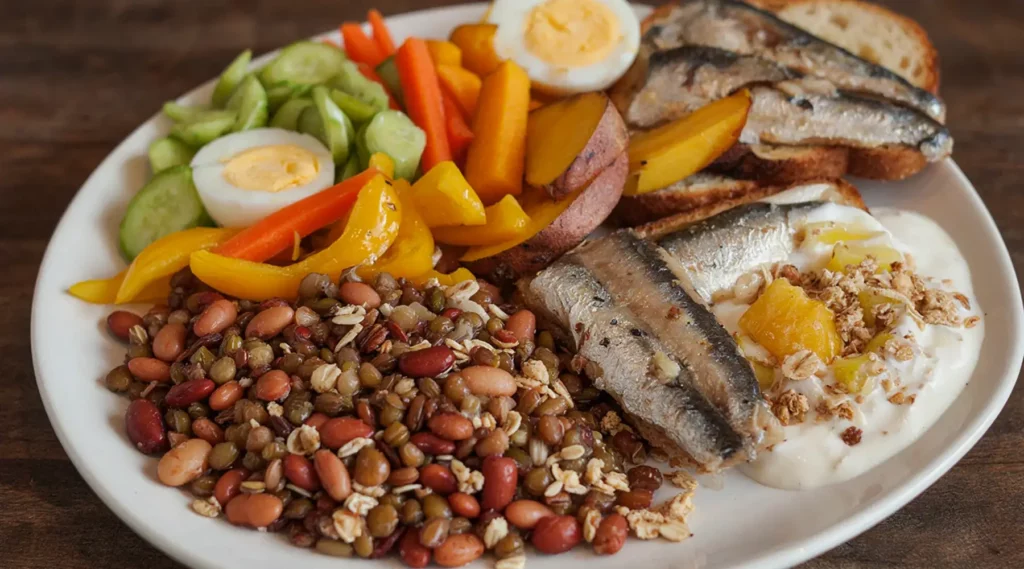
With fast-paced lifestyles, it is often difficult to make healthy choices when it comes to food.
For busy parents, it’s sometimes easier to serve a ready-made meal for dinner, and even easier still to pick up some fast food on the way home. However, we should make healthy choices and minimise our intake of fast food and foods high in salt, oil, sugar and carbohydrates.
Salt, oil, sugar and carbohydrates are increasingly in the spotlight for causing obesity, high cholesterol and other health problems, so making healthy choices means reducing our intake of these.
Dieticians believe that while things like salt and sugar have their place in our diets, we do need to minimise our intake of foods that contain these in unhealthily high quantities.
Try these recipes for healthy eating options and give your child a healthy start to life with these ‘free-from’ recipes.
salt
Eating too much salt can have serious health effects. Most adults consume more than twice the amount of salt recommended by the World Health Organization – just one teaspoon a day is the limit, but many go well beyond that without even realising it.
Often used to preserve food for longer, salt has also become a common way of adding flavour to food. Foods with a high salt content will include fast food, chips, store-bought sauces, ready-made spice mixes, and breads. We also often add too much salt when cooking, or when we estimate the amount required by a recipe.
If salt intake is not managed correctly, the effects can be detrimental and cause raised blood pressure, which increases the risk of cardiovascular diseases, gastric cancer, osteoporosis, Meniere’s disease, kidney disease and could contribute to the development of obesity.
How to reduce your salt intake
- Avoid it when cooking or measure out the required quantity. Only add salt to your meal once you’ve tasted it.
- Replace salt with herbs, spices, garlic, lemon juice, vinegars or a small amount of soy sauce.
- Fill your salt shaker with a combination of salt and herbs so you use less salt. Try mixing salt, dried oregano and cayenne pepper.
- Don’t boil your veggies, as they can lose flavour. Try steaming them instead.
- Make your own sauces or herb mixes at home.
sugars
Sweets, cakes, biscuits, chocolate, ice cream and fizzy drinks all contain sugear. You’ll also find sugar in cereal, snack bars, jams, sauces and dried fruit.
How to reduce your sugar intake:
- If you have a taste for sweet things, start reducing the amount of sugar in your tea or coffee gradually.
- Eat sweet treats less often during the week and opt for sweet fruit instead, so that your preference for sweet tastes is reduced.
- If you eat flavoured yoghurt, start mixing in plain yoghurt, until it becomes a preference.
- Use alternatives to sugar, such as honey. Instead of making cupcakes, make wholewheat apple muffins or choose low-fat frozen yoghurt over ice cream.
- Sugary drinks also contribute to our sugar intake so swap these for water or diluted 100% fruit juice.
fats
While we do need some fats in our diets, make the healthy choice to curb your fat intake and be aware of hidden fats, which can be found in biscuits, processed meats and pastries.
Cooking methods also contribute to fat intake, so grilling or baking are better options than frying.
Use more healthy monounsaturated and polyunsaturated fats. These can be found in avocados, olives and olive oil, canola, seeds, nuts and fish, such as tuna, sardines and salmon.
carbs
All carbohydrates are broken down into glucose, which is a type of sugar. This process happens a little faster with refined carbohydrates, such as food made from white flour, including white bread and pasta. Rather choose wholegrain carbohydrates, vegetables, brown rice, sweet potatoes or porridge.
Find out more about the hidden dangers in food aisles and the need for food packaging warning labels.
health first
As we raise awareness of the importance of making healthy choices, we urge you to take charge of your health and make significant changes to your kitchen and eating habits.