The language a child hears in the first few years of life is vital for their language acquisition. When we talk to our children, they use what they hear to construct their “language building blocks”, which they then use to learn language.
Here are three facts about how the way we talk to our children (the effects of our language input) helps babies learn to speak, and how you can help them.
it comes naturally
Learning a language as an adult is a difficult and time-consuming task, but your baby does so naturally, without needing classes, notes or much practice. Babies also learn language early on – they are learning a language while they cannot even eat with a spoon, yet Dr Mabel Rice, a linguist from the University of Kansas, calls language learning “one of the most remarkable achievements of childhood that is also the most commonplace,” and it certainly is.
Even though babies seem to learn language effortlessly, their little brains are hard at work processing the language they hear all around them and building their own language system. Every day, whether we realise it or not, we are shaping our children’s future language through the words we say, the songs we sing and even the stories we tell them at bedtime.
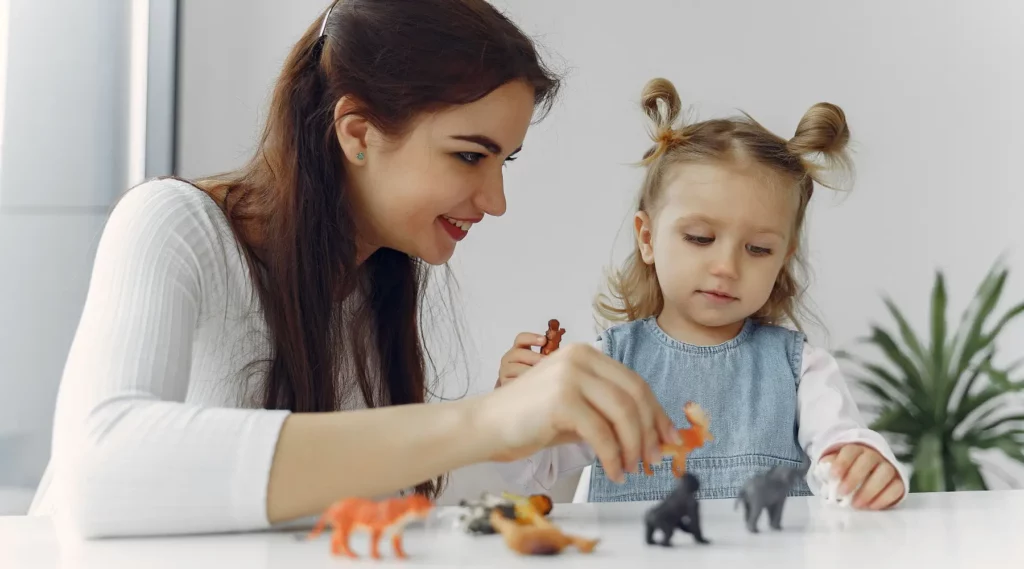
The way we talk to them matters more than we may think. That singsong way adults naturally speak to babies – higher pitch, slower pace, exaggerated tone, repeated words – is what researchers call child-directed speech or baby talk.
fun facts about language input
“Baby talk” is not bad for your baby
Did you know that your baby’s brain lights up when you use baby talk? Research has shown that babies’ brains are more responsive to baby talk. In a study of Japanese babies, Professor Saito and the team at Hiroshima University found that baby talk triggers more brain function than normal adult speech. In other words, babies are more neurologically responsive to baby talk; they like it and find it interesting. The research team found increased activity in the Japanese babies’ frontal lobes when they were hearing baby talk.
Other research from Dr Naoi and associates at Keio University in Japan has also found that baby talk increases brain activity in the front and right temporal areas of babies, showing that baby talk stimulates multiple areas of babies’ brains. Some parents are concerned that if they use baby talk, it will affect their child’s language development negatively, but research shows the opposite. So, (baby) talk away!
All language helps your baby learn
In some cultures, it is less common to speak directly to a child before the child starts verbalising words and sentences. Even in these communities, children learn language completely, which shows how important all input is, even if it is not directed at the children.
Research has shown that babies learn language naturally by listening to the language spoken around them every day in their communities. In a study of Western Samoan babies, Prof Ochs found that even without frequent “baby talk”, children still reach the same major language milestones as their peers. This shows that all kinds of language input, whether you’re talking to your child or just talking near them, are important for your child’s language development.
The input you give to your baby helps their vocabulary grow
Research across the world has shown that how we speak to our children can help their vocabulary grow. Although vocabulary growth varies from child to child, language input helps across the board. Even the types of sentences you use when speaking to your baby can help them learn different kinds of words. For example, frequent use of questions, such as “Did you finish your breakfast?” or “Would you like more porridge?, is associated with rapid growth of verb forms.
So, what do we know about input? Every word you say counts! So, keep talking – your voice is your baby’s best teacher!
By the Child Language Development Node, South African Centre for Digital Language Resources (SADiLaR)
University of Stellenbosch